
Things to Do in Port-au-Prince in December
December weather, activities, events & insider tips
Low Season · Budget Friendly
December Weather in Port-au-Prince
Long-run averages for December
87°F (31°C)
High Temp
71°F (22°C)
Low Temp
1.3 inches (33 mm)
Rainfall
60%
Humidity
7
Sunny-Day UV
⚠ Dry-season dust and particulate matter from unpaved roads and construction zones aggravate respiratory conditions. The drives to Kenscoff at 1,500 m (4,921 ft) and Jacmel at 80 km (50 miles) south are long. Carry a dust mask or buff. Worth it.
⚠ Tropical-latitude UV exposure stays high even at December's comfortable temperatures. Clear dry-season skies mean less cloud cover filtering the sun. Consistent sunscreen and head coverage are essential. Pack both.
Is December Right for You?
Weigh the advantages and considerations before booking
Advantages
- + December ties with January as Port-au-Prince's driest month. Only 33 mm (1.3 inches) of rain falls across the entire month. Most days break warm and clear. You get none of the sudden, road-flooding downpours that define the May through October wet season. Plan outdoor time without a constant weather contingency. In Haiti, this makes a meaningful difference to logistics.
- + Evenings drop to around 22°C (71°F). This feels almost refreshing after summer months where the heat never relents past sundown. Dining outdoors in Pétion-Ville on a December night delivers one of the city's rare gentle moments. A breeze comes down from Kenscoff. The city lights spread out below. Port-au-Prince feels unhurried.
- + Hurricane season officially ends November 30. This removes the single biggest logistical wild card from your trip. No cancelled flights. No scrambling for inland shelter. No watching weather models. December lets you focus on the city itself instead of monitoring storm tracks across the Caribbean.
- + Haitian Christmas is one of the most culturally immersive periods of the year. In the weeks before Noël, the smell of dark fruitcake soaking in aged Barbancourt rum drifts from kitchens across every neighbourhood. Church choirs rehearse for midnight mass with a fervour that rattles the shutters. The slow, careful preparation of ingredients for soup joumou turns late December into a city-wide cooking project. This thick pumpkin soup is served on January 1 to mark Haiti's Independence Day. Anyone willing to sit down and help gets drawn in.
Considerations
- − Security remains the defining constraint of any visit to Port-au-Prince. Gang-controlled territories currently cover substantial portions of the metropolitan area. Boundaries shift on short notice. Independent movement through much of downtown and the northern suburbs carries real risk. This is not a city where you wander freely. You need trusted local contacts. You need pre-arranged transport. Know which zones are accessible before you arrive.
- − Getting into Port-au-Prince in December means navigating limited international flight routes through Miami, Fort Lauderdale, or Panama City. Holiday-period demand pushes fares higher. Seats fill earlier than in less popular months. Direct options are few. Layovers tend to be long. Last-minute flexibility is close to zero.
- − Infrastructure does not improve because the weather does. Generator-dependent electricity, unreliable water supply, and roads cratered from the 2010 and 2021 earthquakes remain the baseline. December's dryness simply trades the mud of wet season for fine dust. It coats everything. Your clothes. Your food. Your lungs if you are riding on unpaved roads with the windows down.
Best Activities in December
Top things to do during your visit
Pétion-Ville Art Gallery Circuit
Haiti's painting tradition is one of the most distinctive in the Americas. Pétion-Ville, the hillside commercial district sitting at roughly 400 m (1,312 ft) above the coastal plain, is where that tradition concentrates. December's dry, warm afternoons make walking between the neighbourhood's galleries comfortable. The soaking humidity that drives everyone indoors during summer is gone. The Centre d'Art, founded in 1944, anchors the circuit. This is the institution that launched the Haitian art movement. You will find bold, flat-colour canvases drawing on Vodou spiritual imagery and scenes of rural life. The visual intensity hits differently in person. The pigments are thicker. The compositions are stranger. The faces are more specific than any reproduction suggests. Gallery owners tend to be more present and conversational in December. The pace of the neighbourhood slows. The air smells more of bougainvillea and roasted coffee than diesel exhaust.
Booking Tip: Arrange visits through a vetted local cultural guide. They know current gallery hours and safe access routes. Book at least two weeks ahead. Reliable English-speaking guides are limited in number. See current options in the booking section below.
The winding road from Pétion-Ville up to Kenscoff climbs to roughly 1,500 m (4,921 ft) in under an hour. The temperature drop is startling. You go from the coastal heat of 31°C (87°F) to something closer to 18°C (64°F). This is cool enough that you will want the light jacket you packed. You probably doubted you would need it. Pine forests replace the concrete. The air smells of woodsmoke and damp earth even in dry season. The Saturday morning market at Kenscoff is a tumble of carrots, cabbages, and strawberries grown at altitude. This is produce you would never associate with tropical Haiti. Fort Jacques, the early nineteenth-century fortress built after independence, sits above the town. Views reach the Golfe de la Gonâve on clear December days. The drive itself is part of the experience. Switchbacks past painted cinder-block houses. Vendors selling roasted corn on the shoulder. The sprawl of Port-au-Prince shrinking below you with each turn.
Booking Tip: Hire a private driver who knows the mountain road well. It is narrow. It is steep. It has no guardrails in places. Start by 7 AM. You will have the clearest views and the most comfortable temperatures before afternoon haze builds. Confirm road conditions with your driver the morning of departure.
Côte des Arcadins Coastal Day Trips
An hour and a half north of Port-au-Prince on Route Nationale 1, the Côte des Arcadins is the stretch of Caribbean shoreline that Haitian families have treated as their weekend escape for decades. December brings the calmest seas of the year. Warm, clear water with visibility that can reach 15 m (49 ft) on good days. None of the heavy swells that roughen the coast during hurricane season. The sand is not the powdered-sugar white of Turks and Caicos. It is real. The shade of coconut palms is real. The sound of waves here is quieter and steadier than anything you will hear in the city. Several beach properties along this coast offer day access with swimming, fresh grilled lobster and fried plantains, and a stillness that makes the chaos of Port-au-Prince feel like a different country entirely. The salt air. The heat of sand underfoot. The cold shock of wading into that first wave. December delivers all of this with almost no rain risk.
Booking Tip: Arrange private transport both ways. Do not rely on public taptaps for the return journey. Afternoon availability is unpredictable. Some beachfront properties require advance reservation for day access. Weekends fill faster. Full-day commitment. Leaving Port-au-Prince early and returning before dark is non-negotiable.
Port-au-Prince Heritage and History Walking Tours
The Champ de Mars, Port-au-Prince's central public square, and its surrounding blocks hold the compressed history of the Western Hemisphere's first Black republic. The Musée du Panthéon National Haïtien, set partly underground beneath the square, houses artefacts from the revolution through the Duvalier era. The anchor believed to be from Columbus's Santa Maria is here. So is the pistol with which King Henri Christophe reportedly ended his own life. The Marché en Fer, the Iron Market originally fabricated in France in the 1890s and rebuilt after the 2010 earthquake, is a cathedral-scaled structure of red and green ironwork. The sound of vendors calling over each other echoes off the metal lattice. The smell of dried fish, raw spices, and fresh-cut sugarcane fills the aisles. December's clear skies and lower humidity make walking more tolerable than any month between April and October. You will still feel the midday heat radiating off concrete. These tours require a knowledgeable local guide and coordinated security. This is not optional.
Booking Tip: Only book through operators with established local security arrangements and current knowledge of accessible zones within the city centre. Morning departures between 7 AM and 8 AM offer the best combination of cooler temperatures and safer conditions. Groups of four or fewer move through the market and museum district more fluidly. Larger parties struggle.
Jacmel Artisan Town Day Trips
Jacmel, roughly 80 km (50 miles) south of Port-au-Prince over the mountains, is the town that made Haitian papier-mâché masks famous. The descent into Jacmel reveals a coastal town of faded French colonial architecture. Wrought-iron balconies trail bougainvillea. The waterfront carries the sound of surf mixed with the tap of hammers from woodcarving ateliers. The smell in Jacmel's artisan quarter is distinctive. Wet paper pulp. Acrylic paint. The resin used to seal finished pieces. December's dry weather means pieces are drying faster in the open air. Workshops tend to be more open to visitors than during the rainy months when everything is pulled inside and space tightens.
Booking Tip: This is a full-day commitment. You need a reliable private driver familiar with the mountain route, which includes switchbacks and unpaved stretches. Leave Port-au-Prince by 6 AM. Maximise time in Jacmel before the return drive. Begin the return no later than 3 PM. Arrive back before dark. Confirm current road conditions before departure. The route can deteriorate quickly after late-season rains.
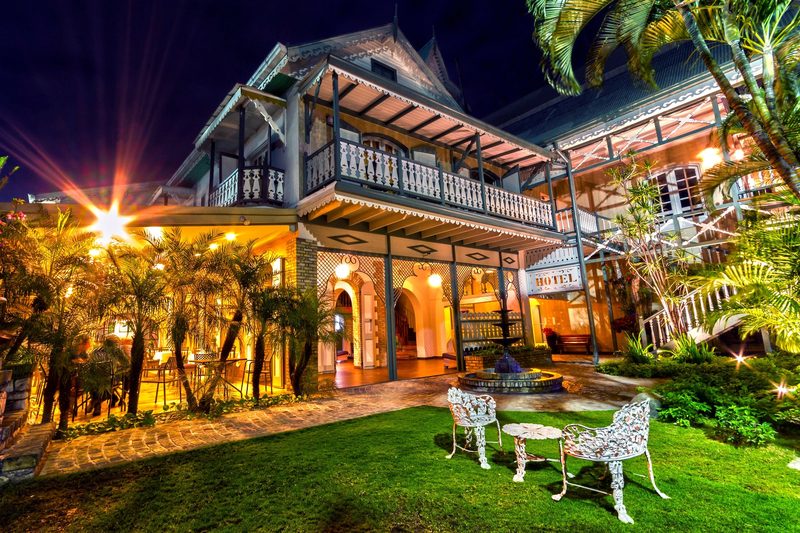
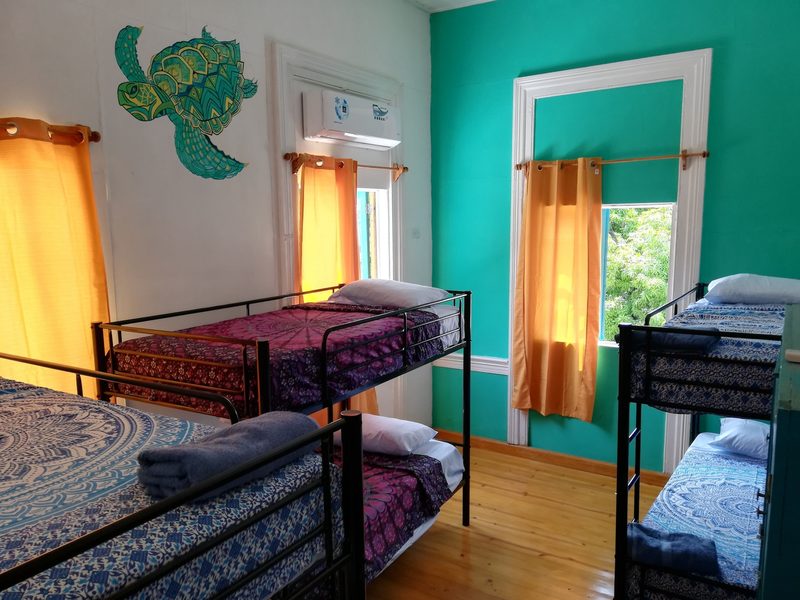
Where to Stay in Port-au-Prince in December
Hand-picked hotels across price tiers for December travellers.
Public Holidays in December
Dates that affect opening hours, transport and crowds
Découverte d'Haïti
Known in English as Discovery Day. Observed nationwide as a public holiday.
Noël
Known in English as Christmas Day. Observed nationwide as a public holiday.
Découverte d'Haïti
Known in English as Discovery Day. Observed nationwide as a public holiday.
Noël
Known in English as Christmas Day. Observed nationwide as a public holiday.
Découverte d'Haïti
Known in English as Discovery Day. Observed nationwide as a public holiday.
Noël
Known in English as Christmas Day. Observed nationwide as a public holiday.
Packing Checklist
Bookmark this page — your progress is saved between visits
Need the full list with shopping links?
Climate-specific gear, brand recommendations, and what to leave at home.
View Port-au-Prince Packing List →Essential Tips
Insider knowledge and common pitfalls to avoid
Insider Knowledge
A few phrases in Haitian Kreyòl open doors that French alone will not. Bonjou, mèsi anpil, and ki jan ou ye signal respect. That immediately changes how people interact with you. Port-au-Prince is a city where relationships are transactional by necessity. Even basic Kreyòl shifts the dynamic toward warmth. French gets you understood. Kreyòl gets you welcomed.
Pétion-Ville's dining scene in December operates on an informal holiday calendar. Restaurants packed on weeknights during the rest of the year may close without notice for private family functions. Quieter spots suddenly fill with returning diaspora celebrating the season. Your best strategy is to ask your driver or guide where they eat, not where tourists eat. The griot will be crispier. The diri djon djon earthier. The atmosphere honestly more interesting.
The Barbancourt rum distillery, one of Haiti's oldest continuously operating businesses, produces rum that holds its own against anything coming out of Martinique or Barbados. The five-star reserve, aged eight years, is the one worth bringing home. Smoother than the three-star and more layered than the fifteen-year, with a caramel warmth and a clean finish that rewards sipping neat. If you have the chance to taste before buying, the difference between the grades is obvious.
December is when the Haitian diaspora returns in significant numbers from Miami, Montreal, and New York. This gives the city a different energy than other months. More traffic in Pétion-Ville. More activity at churches. A reunion atmosphere that makes Port-au-Prince feel more alive and more hospitable than its reputation suggests. It also means reliable drivers and English-speaking guides book up earlier than you would expect for a low-tourism destination. Arrange your logistics at least three weeks ahead.
Avoid These Mistakes
Avoid attempting to explore Port-au-Prince independently as though it were Kingston, Santo Domingo, or any other Caribbean capital with a functioning tourist infrastructure. It is not. The city requires pre-arranged, security-vetted transport and local contacts who understand the current territory map. Walking around the city centre alone, hailing random vehicles, or navigating by phone GPS into unfamiliar neighbourhoods are not adventurous. They are reckless. The consequences can be severe.
Do not treat Haiti like a beach destination and expect resort-level amenities, reliable internet, or consistent hot water. Port-au-Prince operates on generators, improvisation, and resilience. Your comfort will depend on your ability to accept that schedules are approximate, infrastructure is fragile, and nothing works the way it does at home. The travellers who have the best experience here are the ones who adjust expectations before they arrive, not after the first blackout.
Never photograph people, military checkpoints, or damaged buildings without asking first. In a city where personal security is a daily negotiation, a camera pointed at the wrong moment can escalate a situation faster than you can apologise. Ask first, always. Accept a refusal gracefully. The most honest photographs of Port-au-Prince come from trust, not from a passing car window.
Ready to plan your trip to Port-au-Prince?
Now that you've got the research covered, here's where to go next.
Explore More Activities in Port-au-Prince
Didn't see anything interesting yet?
Browse Viator's full catalog of tours, day trips, food experiences, and private guides in Port-au-Prince.
See All Port-au-Prince Tours on Viator