

Things to Do in Port-au-Prince in March
March weather, activities, events & insider tips
Low Season · Budget Friendly
March Weather in Port-au-Prince
Long-run averages for March
89°F (32°C)
High Temp
71°F (22°C)
Low Temp
3.4 inches (86 mm)
Rainfall
61%
Humidity
11
Sunny-Day UV
⚠ March shifts Haiti toward wet season. Average rainfall hits 3.4 inches (86 mm). One storm can drop that in an afternoon. Port-au-Prince roads flood fast. Drainage is inadequate. Vehicles get stranded. Routes close for hours.
⚠ Dengue is here. Malaria is here. March warmth breeds mosquitoes. Residual moisture helps them multiply. Long sleeves are required. Treated clothing is required. Repellent needs 30% DEET minimum. These are not optional.
⚠ Temperatures hit 32°C (89°F). Humidity sits at 61%. Air conditioning is scarce. Clean water is unreliable. Heat stress is real. Visitors from cooler climates suffer most. Dehydration comes fast. You cannot trust your next drink will arrive on time.
Is March Right for You?
Weigh the advantages and considerations before booking
Advantages
- + March sits at the tail end of Port-au-Prince's driest stretch. Rainfall averages just 3.4 inches (86 mm), a fraction of the 9.1 inches (231 mm) that pounds the city come May. Mornings break clear over the mountains ringing the Cul-de-Sac plain. The air carries less heavy moisture, the kind that makes summer feel like breathing through wet cotton. This is your most comfortable weather window.
- + Rara season runs through Lent, and in 2027 that means all of March pulses with roving musical processions. They move through neighbourhoods from Carrefour to Delmas. Bamboo vaksin horns, tin percussion, and call-and-response chanting fill the streets. This sound exists nowhere else in the Caribbean. March is the only month you will hear it performed in street-procession context, not on a stage.
- + Haiti's art tradition ranks among the most significant in the Western Hemisphere. It remains fiercely alive in Port-au-Prince, even through crisis periods. Galleries and workshops cluster around Pétion-Ville. Surviving studios still operate near the old Centre d'Art grounds. March stays cool enough to walk between them. Skip the punishing midday heat of June or July. Sequin flag (drapo Vodou) workshops and metal-cut sculpture ateliers in the Croix-des-Bouquets corridor keep producing work that sells in New York and Paris galleries.
- + Diaspora return traffic runs lighter in March than during December's holiday peak. The functional parts of Pétion-Ville's hospitality infrastructure face less strain. You will find available rooms more easily. Drivers come without the premium squeeze that Christmas-to-New-Year creates.
Considerations
- − Port-au-Prince remains in severe, protracted security crisis. Armed groups control significant portions of the metropolitan area. Kidnapping threatens both Haitians and foreigners. Most Western embassies maintain highest-level travel advisories for Haiti. This is not theoretical risk. It defines every trip here. It shapes every decision, from airport transfer to which roads you drive and what hours you move. Do not come without specific organizational security framework, trusted local contacts, or compelling reason requiring your physical presence.
- − Basic infrastructure has deteriorated sharply. Power outages are normal, not exceptional. Running water proves unreliable outside privately supplied compounds. Medical facilities capable of handling emergencies are extremely limited. Toussaint Louverture International Airport has suffered repeated disruptions. March's 32°C (89°F) highs without air conditioning and without reliable water supply differ from the same temperature in a functioning city.
- − Ground transportation faces severe constraints. Routes between airport, Pétion-Ville, and other areas pass through or adjacent to zones that shift control unpredictably. Tap-taps and public transport are not viable for international visitors. You need a pre-arranged driver with current knowledge of passable, safe roads. That driver's assessment may change hour to hour.
Best Activities in March
Top things to do during your visit
Haitian Art Gallery Circuit in Pétion-Ville
Pétion-Ville's hillside galleries offer the safest, most rewarding entry into Port-au-Prince's cultural depth. March's drier weather and slightly lower temperatures, hovering around 32°C (89°F) by early afternoon, make uphill walks between exhibition spaces bearable. Summer months do not. Haitian painting, from Hyppolite-era naive tradition to contemporary work addressing ongoing crises, is extraordinary. It is radically underpriced compared to comparable art in any other market. The drapo Vodou sequin flags, originally sacred objects, have become one of the Caribbean's most distinctive art forms. You will smell the iron workshops before you see them in Croix-des-Bouquets. Artisans cut oil drums into intricate metal sculptures using chisels and hammers. The clang of steel rings across dusty roads. March light, clear and slightly golden in mornings, photographs metalwork best against bougainvillea-covered walls.
Booking Tip: Arrange visits through your accommodation or trusted local contact. Do not arrive unannounced. Gallery hours are irregular and security-dependent. A knowledgeable guide who can negotiate purchases and navigate neighbourhoods is worth arranging well in advance. See current guided cultural tour options in the booking section below.
Rara Procession Viewing During Lent
Rara is Haiti's other great musical tradition. Throughout Lent, and March 2027 falls entirely within it, neighbourhood bands assemble after dark with vaksin bamboo trumpets. Each horn tunes to a single note. The melody emerges only from the group playing together. The sound is unmistakable. A buzzing, brassy wall of rhythm layers over goatskin drum patterns and metal scrapers. It moves through streets lit by kerosene lamps and phone screens. The air smells of kleren, the raw cane spirit fueling musicians, and charcoal smoke from roadside grills. Rara demands participation. People fall in behind the band and walk for kilometres. The experience resembles a moving ceremony more than a concert. The final week before Easter Sunday on March 28 marks the crescendo.
Booking Tip: Rara has no booking system. You catch it by knowing which neighbourhoods host processions, and when. That takes local knowledge plus a security read on the area. Ask your hotel staff or organizational contacts which bands are accessible. Never trail a procession into unknown territory after dark without a local guide. Check the booking section below for guided cultural experiences that may include Rara viewing.
Croix-des-Bouquets Metal Sculpture Workshops
Croix-des-Bouquets sits roughly 10 km (6.2 miles) northeast of central Port-au-Prince. Georges Liautaud started transforming oil drums into sculpture here in the 1950s. The village has dominated Haitian metal-cut art ever since. Workshops line both sides of the main road. In March, dry-season dust coats everything in pale powder. The dark metal pieces stand out sharply against it. You hear hammers on chisels from a distance. The rhythm sounds almost musical. Artisans work outdoors under corrugated roofing. Rust and heated metal mix with the sweet rot of fallen breadfruit overhead. Pieces range from small wall hangings to life-sized figures. March temperatures let you watch for an hour. Summer's 35°C (95°F) heat makes that miserable.
Booking Tip: You need a driver who knows current road conditions and security along Route Nationale 3. Depart in the morning. Return before mid-afternoon. Bring cash in small denominations. Leave expensive visible equipment behind. See the booking section below for day tour options that include artisan village visits.
Pétion-Ville Food Circuit and Market Walking
Pétion-Ville's food reveals Port-au-Prince better than any monument. March opens mango season. Julie and Francique varieties arrive at marchandes' stalls. Their perfume cuts through exhaust and dust. Griot dominates your meals. Cubed pork fries until mahogany-dark outside. It shatters between your teeth. The inside stays tender. Pikliz comes alongside. Scotch bonnet-spiked pickled cabbage burns clean and bright. Plantains fry twice until golden and caramelized at edges. Akasan cools you by mid-morning. Thick cornmeal and cinnamon. Served in plastic bags. Marché de Pétion-Ville beats the Iron Market for navigation. March crowds are lighter. You can stop and taste. No press of bodies sweeps you along.
Booking Tip: Walk Pétion-Ville's food spots with a local companion. They should know vendors and handle Kreyol. The best eating runs 11 AM to 2 PM. Lunch marchandes hit full stride then. Charcoal grills smoke. Bouyon pots bubble. See the booking section below for food-focused guided experiences.
Day Trip to Jacmel's Artisan Quarter
Jacmel lies roughly 90 km (56 miles) south of Port-au-Prince. The mountains slow the pace. Threat levels drop from the capital. The drive takes two to three hours. Road conditions dictate. Mountain air cools noticeably. Vegetation thickens from scrubby lowland to genuine green. March dryness keeps roads passable. Wet months offer no guarantees. Jacmel's artisan quarter clusters near waterfront colonial ironwork. Haiti's papier-mache tradition lives here. Workshops smell of flour paste and paint. Finished masks hang everywhere. Bright and grotesque. Bassin Bleu sits roughly 12 km (7.5 miles) outside town. Turquoise pools fed by waterfalls. One of Haiti's few swimmable natural spots. March water levels hold decent before rains complicate access.
Booking Tip: You need a reliable vehicle. A driver who knows the route. A current security assessment of the road south. Do not drive yourself. Depart early morning. Plan return before dark. Some organized day trips run from Port-au-Prince when conditions allow. Check the booking section below for current availability.
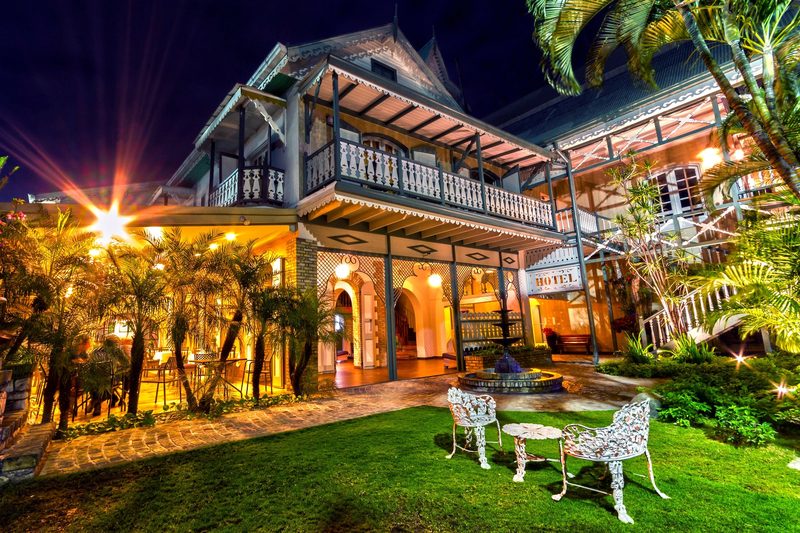
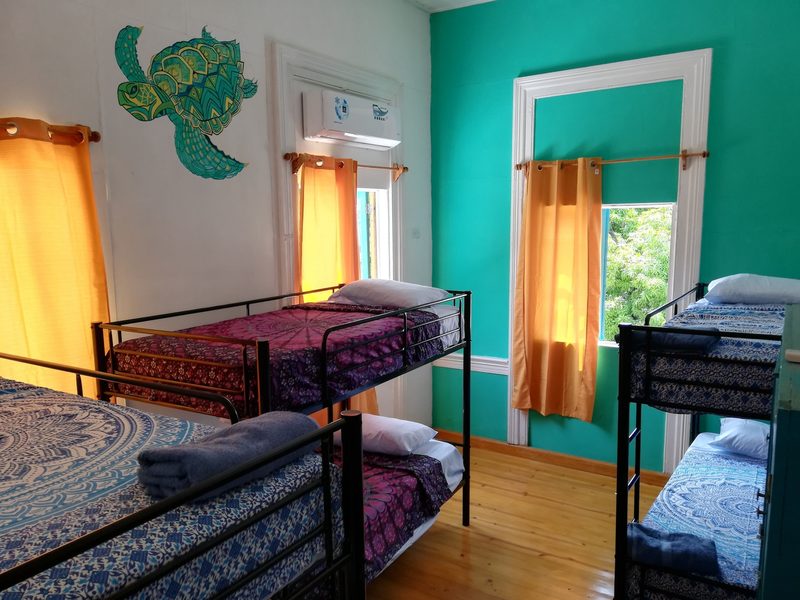
Where to Stay in Port-au-Prince in March
Hand-picked hotels across price tiers for March travellers.
Public Holidays in March
Dates that affect opening hours, transport and crowds
Jeudi saint
Known in English as Maundy Thursday. Observed nationwide as a public holiday.
Vendredi saint
Known in English as Good Friday. Observed nationwide as a public holiday.
Pâques
Known in English as Easter Sunday. Observed nationwide as a public holiday.
Mercredi Des Cendres
Known in English as Ash Wednesday. Observed nationwide as a public holiday.
Packing Checklist
Bookmark this page — your progress is saved between visits
Need the full list with shopping links?
Climate-specific gear, brand recommendations, and what to leave at home.
View Port-au-Prince Packing List →Essential Tips
Insider knowledge and common pitfalls to avoid
Insider Knowledge
The functional Port-au-Prince, the one where people eat well, conduct business, and maintain some normalcy, lives almost entirely in Pétion-Ville and the immediately surrounding hillside neighbourhoods. If you are coming here by choice rather than assignment, Pétion-Ville is where you will sleep, eat, and base your movements. The flat city below, the Port-au-Prince of maps and history, is largely inaccessible to casual visitors. Accept this geography early. Plan accordingly.
Kreyol goes further than French in Port-au-Prince. The educated class speaks French. But the city runs on Kreyol. Even a handful of phrases, bonjou, mesi, ki jan ou ye, change how people interact with you. The warmth is real. Haitians are, even now, startlingly generous to visitors who show respect, and that generosity is expressed in food first. If someone offers you griot or a plate of diri ak djon djon, the rice cooked with tiny black mushrooms that turn it a deep purple-grey and give it an earthy, almost truffle-adjacent flavour, the correct answer is always yes.
March mornings between 6 AM and 9 AM are the best hours to move, eat, and experience the city. The air is cooler, roughly 24°C (75°F). The light is soft gold on the hillsides. The streets function with something approaching normal rhythm. By noon the heat compresses everything. By late afternoon the security calculus shifts as daylight fades. Structure your days around the morning window. You will see a different city than the one the headlines describe.
The Iron Market, Marché en Fer, the huge red-and-green ironwork structure near the waterfront, is historically Port-au-Prince's most famous landmark and was rebuilt after the 2010 earthquake. Whether it is accessible and operating in March 2027 depends entirely on the security situation in the surrounding blocks. Do not plan your trip around seeing it. If your local contacts say the route is clear, go in the morning with a guide. If they say no, trust them without argument.
Avoid These Mistakes
Avoid treating Port-au-Prince like a normal Caribbean destination with a security annex. The security situation is not an asterisk on your trip. It is the primary fact that determines every other decision. Visitors who arrive without pre-established local contacts, a vetted driver, confirmed accommodation with its own water and power, and a clear plan for airport transfer in both directions are putting themselves in genuine danger. This is not overcaution. Prepare as if you are entering a conflict zone, because functionally, you are.
Never move after dark without a specific, security-vetted plan. Port-au-Prince does not have reliable street lighting in most areas. The security dynamics shift significantly once the sun drops behind the mountains around 6 PM in March. Rara processions happen at night. Experiencing them safely requires local knowledge of the specific band, neighbourhood, and current conditions. A general desire to see the nightlife is not a plan.
Do not assume the 2010 earthquake recovery is complete. Many of Port-au-Prince's historical landmarks, churches, government buildings, and public spaces remain damaged or destroyed fifteen years later. Subsequent disasters and the ongoing crisis have compounded this. Visitors expecting a walkable historic city centre will find something quite different. The city's cultural life has not disappeared. It has relocated, fragmented, and adapted in ways that require a guide to navigate.
Ready to plan your trip to Port-au-Prince?
Now that you've got the research covered, here's where to go next.
Explore More Activities in Port-au-Prince
Didn't see anything interesting yet?
Browse Viator's full catalog of tours, day trips, food experiences, and private guides in Port-au-Prince.
See All Port-au-Prince Tours on Viator