
Things to Do in Port-au-Prince in May
May weather, activities, events & insider tips
Low Season · Budget Friendly
May Weather in Port-au-Prince
Long-run averages for May
91°F (33°C)
High Temp
73°F (23°C)
Low Temp
9.1 inches (231 mm)
Rainfall
60%
Humidity
11
Sunny-Day UV
⚠ Flash flooding is a serious and immediate risk during May downpours. Port-au-Prince's drainage infrastructure is severely degraded. Intense rain can turn streets in the lower city and around the Carrefour corridor into impassable muddy channels within minutes. It strands vehicles. It makes pedestrian movement dangerous.
⚠ Mosquito-borne illness risk rises sharply with the onset of heavy rains. Standing water from daily downpours creates breeding habitat for Aedes and Anopheles mosquitoes throughout the metropolitan area. Dengue, chikungunya, and malaria are all actively present. Repellent and protective clothing are essential. Skip neither.
⚠ Late May sits at the threshold of Atlantic hurricane season. Direct tropical cyclone impacts on Port-au-Prince in May are uncommon. Tropical disturbances can develop rapidly. They intensify the already heavy rainfall into multi-day storm events. Ground transport shuts down. Low-lying areas flood for extended periods.
Is May Right for You?
Weigh the advantages and considerations before booking
Advantages
- + Fête du Drapeau on May 18 is Haiti's most emotionally charged national holiday. Experiencing it in Port-au-Prince alongside Haitian families and diaspora visitors who fly home for the occasion gives you access to a side of the city no amount of sightseeing replicates. Flag parades roll through Champ de Mars. Rara bands wind through Pétion-Ville with bamboo vaksin horns and hand drums until late at night. Schoolchildren in uniform wave small flags on every corner. Worth it.
- + Mango season peaks in May. The varieties flooding Port-au-Prince's market stalls, mangue Madame Francis, mangue Baptiste, mangue Fil, are among the finest tropical fruit grown anywhere in the Caribbean. The flesh is dense, fiber-free, nearly custard-textured. The perfume hits you from halfway across the street. Skip the airport fruit. Buy here.
- + The mountains above the city transform after the early rains begin. The drive up to Kenscoff through cloud forest wrapped in mist is arguably more striking in May than any other month. Wildflowers bloom along the switchbacks. The air carries wet earth and wild mint. Pack a light jacket. The temperature drops fast.
- + Virtually no tourist presence means your interactions with Haitians are direct rather than transactional. Gallery owners in Pétion-Ville have time to sit with you and walk through their collections piece by piece. Restaurant staff are not rushing you through a turn. You will likely be the only foreigner at any given cultural gathering. This is rare. Value it.
Considerations
- − Port-au-Prince's security environment requires serious advance preparation. You need current intelligence on which neighborhoods and routes are accessible. You need a trusted local fixer or organizational affiliation. You need a willingness to change plans on short notice based on conditions that can shift within hours. None of this is optional. You cannot improvise on arrival.
- − May drops more rain on Port-au-Prince than any other month of the year. The total is 9.1 inches (231 mm). It tends to arrive in violent afternoon and evening downpours capable of flooding streets in the lower city within minutes. Roads become muddy rivers. Vehicles strand for hours in standing water that rises fast and drains slowly. Plan around it.
- − The combination of 33°C (91°F) highs and 60% humidity is physically draining even for acclimatized residents. Port-au-Prince's limited infrastructure means you will not always have reliable air conditioning or consistent electricity to retreat to. Power outages are routine and can last the better part of a day. Generator noise becomes the background soundtrack of every indoor space. Bring patience.
Best Activities in May
Top things to do during your visit
Haitian Art Gallery Circuit in Pétion-Ville
Port-au-Prince sits at the center of one of the Caribbean's most significant living art traditions. The galleries concentrated along the hillside streets of Pétion-Ville are where you encounter the real work, not the painted wooden boxes sold at the airport but large-scale canvases dense with Vodou symbolism, sequined drapo flags that took artisans months to bead and stitch, and iron sculptures cut from salvaged oil drums that now sell at auction houses in New York and Miami. May's low visitor numbers mean gallery owners tend to have time to sit with you, explain the iconography of a Bosou or Erzulie figure, and pull pieces from back rooms that are not on the walls. The hillside neighborhood sits higher than downtown, which buys you a degree or two of relief from the lowland heat. Afternoon rain showers provide natural punctuation. Duck into the next gallery. Wait out the downpour with a cup of strong Haitian coffee that smells of dark chocolate and burnt sugar. Keep going when the sky clears. Plan for a full half-day if you are interested in the work rather than just browsing.
Booking Tip: Guided art walks through Pétion-Ville's gallery district work best when arranged through local cultural operators at least a week in advance. A knowledgeable guide transforms what might otherwise feel like random browsing into a coherent introduction to Haitian art's major movements and living practitioners. See the booking section below for available cultural experiences in Port-au-Prince.
The switchback road from Pétion-Ville up to Kenscoff climbs from near sea level to roughly 1,500 m (4,900 ft) in under an hour. The temperature drops with every hairpin turn, from Port-au-Prince's 33°C (91°F) swelter to something closer to 20°C (68°F), where pine trees replace royal palms and the air shifts from diesel-and-charcoal to wet earth and wild mint. May's rainfall turns these mountains an almost aggressive green, with cloud forest draped in morning mist that burns off by ten to expose views stretching across the entire Cul-de-Sac plain to the Caribbean. The village of Furcy, perched above Kenscoff, feels like a different country entirely, cool, quiet, with terraced vegetable gardens stepping down the hillside and coffee plants growing under shade trees, the sound of roosters and wind replacing the city's chaos below. Go early. By noon the clouds typically close in. By afternoon the mountain road gets slick enough to make the descent nerve-wracking. This is a full-morning commitment. It is one of the few experiences around Port-au-Prince that leaves you feeling physically refreshed rather than heat-depleted.
Booking Tip: Arrange transport with an experienced local driver who knows the mountain roads and current conditions, booked at least a week ahead. Do not attempt this drive independently unless you are very familiar with the route and its conditions after rain. Check the booking section for current mountain excursion options.
Fort Jacques and Fort Alexandre Historical Visit
Fort Jacques sits in the mountains southeast of the city at roughly 1,100 m (3,600 ft), a stone fortress completed in 1804 right after Haiti's independence from France, the year Haiti became the first free Black republic in the Western Hemisphere. The walls are thick enough to keep the interior noticeably cool even in May's heat, and the cannon emplacements frame panoramic views of the plain and the sea that on a clear morning feel cinematic in a way no photograph quite captures. Fort Alexandre, a short walk away, stands in a more ruined state, its walls claimed by strangler figs and bougainvillea, with the sweet, waxy scent of frangipani mixing with the mineral smell of old damp stone. May mornings tend to offer sharper visibility than the hazy dry-season months, and you will likely have both forts entirely to yourself. The silence up here, broken only by birdsong and wind through the battlements, is a startling contrast to Port-au-Prince below. The history is heavy and real: these walls were built by people who had just fought and won a revolution against Napoleon's army. A guide who can narrate that context turns an atmospheric ruin into a place that rewrites what you thought you knew about Caribbean history.
Booking Tip: Combine this with a Kenscoff mountain visit since both sit along the same road above the city and together fill a full morning. Guides at the fort entrance provide the historical narrative that makes the visit land. Book mountain excursion packages through the booking section below, and confirm access on your planned date before setting out.
Creole Food Exploration in Pétion-Ville
Haitian food is West African, French, and Taíno at once, and you taste all three traditions in a single plate of griot, pork chunks marinated in sour orange juice and Scotch bonnet peppers, then fried twice until the exterior shatters between your teeth while the inside stays tender and citrus-sharp. May is peak mango season, and the mangue Madame Francis at Pétion-Ville market stalls are not the watery export mangoes you know from supermarkets back home but dense, nearly custard-textured fruit that smells like a perfume counter and drips down your wrists as you eat. Anywhere you see diri djon djon on a menu, order it. Rice cooked with tiny black mushrooms found only in Haiti's northern mountains stains the grains an inky purple-black with an earthy depth that lands somewhere between truffle and dried porcini. The pikliz that arrives alongside everything, a pickled cabbage-and-Scotch bonnet relish, hits with a sharp, fermented kick that clears the palate between bites of lambi grillé, conch charred over coals until the edges taste of salt sea and woodsmoke. Evening is the time to eat in Pétion-Ville. The temperature drops just enough to sit outdoors without suffering, kitchen fires lay down a smell of charcoal and caramelized onion, and somewhere uphill the bass line of a kompa song starts up.
Booking Tip: Food-focused cultural experiences in Pétion-Ville work best when arranged through local operators several days in advance, and it helps to let them know about dietary restrictions ahead of time. A guided food walk provides context and access to spots you would not find on your own. Check the booking section for current food and cultural tours in Port-au-Prince.
Jacmel Art Town and Coastal Day Trip
The mountain road takes roughly two to three hours depending on conditions, and the drive itself delivers. You pass through tropical forest dense enough that the canopy closes overhead and the soundscape shifts from city horns to birdsong and rushing water. May's rains make the waterfalls along the route more powerful than in drier months, with pools of turquoise carved into pale limestone where the cold water shocks your skin after hours in the heat. Jacmel moves at a pace Port-au-Prince does not allow, and an afternoon watching mask-makers layer and shape their work by hand, or swimming under a waterfall cascade surrounded by fig tree roots, feels like a different trip entirely. Mind you, this is a long day. It requires confirmed current intelligence on road accessibility before you commit to the drive.
Booking Tip: This trip demands a driver who regularly makes the Port-au-Prince to Jacmel run and can verify current road conditions and accessibility. Book well in advance through operators with recent route experience, and build in schedule flexibility in case conditions change. See the booking section for available Jacmel day-trip options.
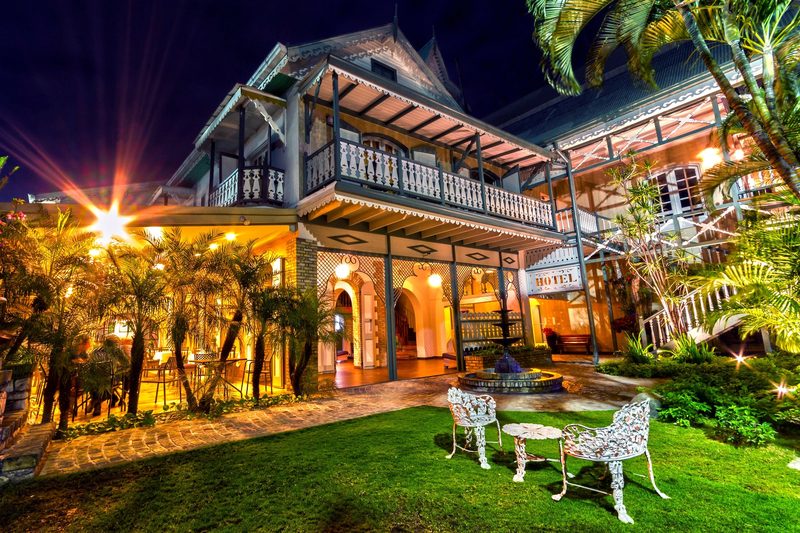
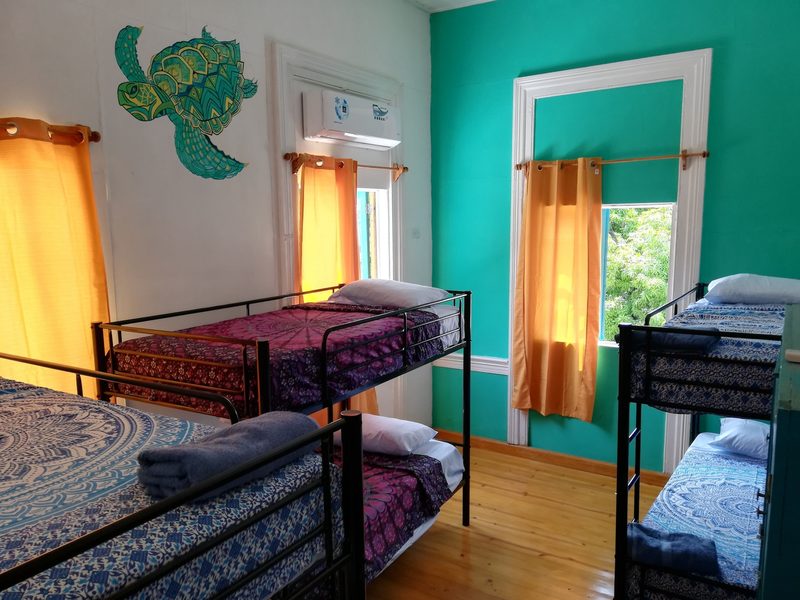
Where to Stay in Port-au-Prince in May
Hand-picked hotels across price tiers for May travellers.
Public Holidays in May
Dates that affect opening hours, transport and crowds
Fête du Travail / Fête des Travailleurs
Known in English as Labour and Agriculture Day. Observed nationwide as a public holiday.
Ascension
Known in English as Ascension Day. Observed nationwide as a public holiday.
Jour du Drapeau et de l'Université
Known in English as Flag and Universities Day. Observed nationwide as a public holiday.
Fête-Dieu
Known in English as Corpus Christi. Observed nationwide as a public holiday.
Fête du Travail / Fête des Travailleurs
Known in English as Labour and Agriculture Day. Observed nationwide as a public holiday.
Jour du Drapeau et de l'Université
Known in English as Flag and Universities Day. Observed nationwide as a public holiday.
Ascension
Known in English as Ascension Day. Observed nationwide as a public holiday.
Packing Checklist
Bookmark this page — your progress is saved between visits
Need the full list with shopping links?
Climate-specific gear, brand recommendations, and what to leave at home.
View Port-au-Prince Packing List →Essential Tips
Insider knowledge and common pitfalls to avoid
Insider Knowledge
Learn a few phrases in Kreyòl. It will change every interaction you have in Port-au-Prince. 'Bonjou, koman ou ye?' and 'Mèsi anpil' signal respect in a way that French alone does not. Haitians notice immediately when a foreigner makes the effort to speak the language people use at home rather than the colonial one taught in school. The warmth that comes back is palpable. It opens doors. Sometimes.
Visit the Marché en Fer early. Port-au-Prince's well-known Iron Market, with its red-painted structure originally fabricated in France in the late 1800s, rewards morning arrivals before the heat builds and crowd density peaks. The ground level holds food and household goods. Think sacks of rice, bottles of Barbancourt rum, pyramids of Scotch bonnet peppers. The upper level is art and handcraft. Go with someone who knows the market. Keep valuables secured and close. Let the noise and density of the place be its own kind of sensory immersion.
Treat May mango season as a legitimate cultural event. The mangue Madame Francis is considered one of the world's finest mango cultivars by people who take fruit seriously. Haitians eat them the way Italians eat tomatoes in August. Everywhere, constantly, and with passionate opinions about which variety is superior. Buy them at Marché de Pétion-Ville in the morning when the selection is deepest and the fruit is cool from overnight.
Carry cash in small denominations of Haitian gourdes for daily transactions. Many establishments do not accept cards. Making change can be difficult. You will need local currency for tap-taps, market purchases, and street food. The exchange rate from informal changers is typically better than bank rates. You need to know the current rate before negotiating to avoid being shortchanged.
Avoid These Mistakes
Do not arrive without a trusted local contact, organizational affiliation, or experienced fixer already in place. Port-au-Prince is not a city where you can improvise with a guidebook and instinct. The travelers who have the best experiences are invariably the ones who invested weeks building local relationships before they landed. Not the ones who figured they would sort it out on the ground.
Avoid scheduling outdoor exploration for the afternoon window between roughly 1 PM and 5 PM. The heaviest downpours and peak heat overlap then into a combination that is both miserable and potentially stranding. Mornings are the productive hours in May. The air is still relatively fresh, the light is good, and the rain has not yet started. Experienced residents plan their days around this rhythm without even thinking about it.
Do not treat Port-au-Prince like a conventional Caribbean destination. Do not expect resort-grade infrastructure, reliable electricity, smooth roads, or the ability to hail transport spontaneously and safely. The city operates on its own logic built from resilience and improvisation. Fighting that rather than adapting to it is the fastest route to frustration and a miserable visit.
Ready to plan your trip to Port-au-Prince?
Now that you've got the research covered, here's where to go next.
Explore More Activities in Port-au-Prince
Didn't see anything interesting yet?
Browse Viator's full catalog of tours, day trips, food experiences, and private guides in Port-au-Prince.
See All Port-au-Prince Tours on Viator