
Things to Do in Port-au-Prince in June
June weather, activities, events & insider tips
Low Season · Budget Friendly
June Weather in Port-au-Prince
Long-run averages for June
95°F (35°C)
High Temp
75°F (24°C)
Low Temp
4.0 inches (102 mm)
Rainfall
57%
Humidity
11
Sunny-Day UV
⚠ June 1 marks the official start of Atlantic hurricane season. While the statistical peak runs August through October, tropical storms can form in June. Haiti's mountainous terrain and poor drainage infrastructure make even moderate tropical weather systems dangerous. Flash flooding in low-lying areas of Port-au-Prince can begin within an hour of heavy rainfall. Streets turn into fast-moving channels.
⚠ Extreme heat at 35 degrees C (95 degrees F) combined with intense equatorial sun creates serious heat-related illness risk. This threatens travelers not acclimatized to tropical conditions. Limit outdoor exposure between 11 AM and 3 PM. Carry water at all times.
⚠ Mosquito-borne illnesses including dengue fever and malaria are present in Port-au-Prince year-round. June's intermittent rains create additional breeding habitat in standing water. Use DEET-based repellent. Sleep under treated nets where available. Consult a travel medicine specialist about antimalarial prophylaxis before departure.
Is June Right for You?
Weigh the advantages and considerations before booking
Advantages
- + June lands in a rainfall gap between May's drenching 9.1 inches (231 mm) and August's 5.7 inches (145 mm). You get drier windows for outdoor plans than most wet season months. Mornings in Port-au-Prince dawn clear and hot. The real downpours arrive in sharp late-afternoon bursts. They clear within the hour.
- + Humidity hits its annual low of 57 percent in June. Compare that to October's swampy 66 percent. The difference matters. Petion-Ville sits roughly 400 m (1,312 ft) above the coastal plain. The air feels lighter than the thick heat near the waterfront. Evenings in the hills catch pleasant breezes off the Massif de la Hotte.
- + Tourism is thinnest in June. Guesthouses and restaurants in Petion-Ville have availability. The Musee du Pantheon National Haitien sits nearly empty. Diaspora travelers visiting family get easier logistics. Aid workers with free weekends face less competition for vetted transport. This matters here.
- + June means mango season in Haiti. Markets in Petion-Ville and along roads to Kenscoff overflow with Madame Francis and Baptiste varieties. Their perfume hits you from the car. Street vendors slice them with sour orange and salt. The flavor is sun-warm and custard-thick. Nothing like North American grocery stores.
Considerations
- − Port-au-Prince faces severe security crisis. Armed groups control significant metropolitan portions. Kidnapping, carjacking, and armed robbery remain serious risks. Most Western governments advise against all travel to Haiti. Going anyway? You need a vetted local fixer. Pre-arranged secure transport for every movement. Guarded compound accommodation. Controlled Petion-Ville sections only. No walking freely. No impulse exploration.
- − June heat punishes. At 35 degrees C (95 degrees F) with equatorial sun intensity, short walks soak your shirt within minutes. Port-au-Prince's concrete sprawl traps and radiates heat. Midday feels closer to 40 degrees C (104 degrees F) at street level. Air conditioning is unreliable. Chronic electricity shortages limit it to better-equipped guesthouses and restaurants.
- − June 1 opens Atlantic hurricane season. Direct hit probability peaks later in August and September. Tropical storms still form in June. Haiti's infrastructure makes moderate storms dangerous. Port-au-Prince drainage is virtually nonexistent in many neighborhoods. Heavy rainfall causes flash flooding within hours. Morning roads become impassable rivers by evening.
Best Activities in June
Top things to do during your visit
Petion-Ville Art Gallery Circuit
Haiti's art tradition ranks among the Caribbean's most significant. Petion-Ville remains the safest zone to experience it. Galleries along Rue Lamarre display sequined Vodou flags (drapo Vodou) that glitter like stained glass. Vivid naive paintings made Haitian art internationally collected in the mid-twentieth century. June's lower foot traffic gives gallery owners time to talk. Conversations in rapid Kreyol with French detours reveal more than any guided tour. Morning is your only sensible window. Arrive by nine. Metal shutters roll up. Fresh-brewed Haitian coffee scents the air from street vendors. Be indoors by noon.
Booking Tip: Arrange gallery visits through your guesthouse or local fixer. They confirm which spaces are open. They provide secure transport between stops. Walking between galleries works only in Petion-Ville's most controlled blocks. Check the booking section below for current cultural tour options with vetted transport.
Kenscoff Mountain Escape and Fort Jacques
The mountain road from Petion-Ville to Kenscoff climbs roughly 1,500 m (4,921 ft) in under 20 km (12.4 miles). Temperature drops with every switchback. Kenscoff reads closer to 22 degrees C (72 degrees F). Pine trees smell sharp and resinous. Port-au-Prince sprawls below like a white-and-concrete quilt between bay and mountains. Fort Jacques, built in 1804 just after independence, sits at about 1,200 m (3,937 ft) in thick green vegetation. Stone walls still stand. Views stretch to the sea on clear mornings. June's lower humidity makes those mornings more frequent. The road is the trade-off. Steep. Potholed. Requires a driver who knows every curve. Not a self-drive excursion.
Booking Tip: Book through a vetted local operator. Four-wheel-drive vehicle required. Driver must know mountain roads. Plan full morning departure. Return before afternoon rains. Allow three to four hours total. See current guided excursion options in the booking widget below.
Haitian Cuisine Immersion in Petion-Ville
Haitian food carries West African, French, and Taino DNA. Come June, mango invades everything. You'll find it sliced beside griot, that twice-fried pork shoulder with its golden crackling shell and almost sweet interior. It gets blended into fresh juice, nothing like the pasteurized stuff. It gets pressed into dous makos, dense mango fudge wrapped in wax paper. The restaurants that matter in Petion-Ville have fed this city for decades. Their diri ak djon djon arrives in cast iron, the rice stained midnight black by dried Haitian mushrooms, fragrant with clove and thyme. The rum punch uses Barbancourt, Haiti's five-star rhum, aged in oak and smoother than most whiskeys. Eat lunch. Skip dinner. The midday meal is the main event here. Kitchens run freshest and most ambitious between noon and two.
Booking Tip: Ask your guesthouse host where they eat. Food tours, when running, include transport and a guide who can navigate menus in Kreyol. Check current options in the booking section below.
Jacmel Coastal Day Trip
Jacmel sits 80 km south of Port-au-Prince, over the mountains. It is Haiti's art colony with a beach attached. The drive takes two and a half hours on a road that alternates between paved and hopeful. You climb through coffee country, air thick with roasted earth and wood smoke, then drop into the lush Jacmel basin. The town spreads in a grid of nineteenth-century gingerbread buildings, iron balconies rusting in salt air. Papier-mache workshops fill the streets. The waterfront curves with dark volcanic sand. No postcard turquoise here. Just raw, wind-scoured beauty. June works for this trip. The road turns dangerous in September's heavy rains. The drier lull keeps it passable.
Booking Tip: This demands a full day and pre-arranged transport with an experienced driver. Skip the tap-taps. Book through a local operator who knows current road conditions and maintains communication en route. Check the booking widget below for organized excursions.
Musee du Pantheon National Haitien and Downtown Heritage Walk
MUPANAH occupies a modernist building on the Champ de Mars. It holds the artifacts of Haitian independence. The anchor from the Santa Maria. The pistol Henri Christophe reportedly used on himself. The original 1805 constitution. The museum is air-conditioned. In June heat, this matters. The collection tells a national story most visitors never learned. The Champ de Mars outside, that large public square, suffered heavy damage in the 2010 earthquake. Its current condition mirrors the capital itself. Heritage walks here require a local guide and secure transport waiting. Never wander alone. The ruins of the old cathedral and the Iron Market, rebuilt in its original Victorian ironwork after the quake, compress everything Port-au-Prince has survived. And what it still survives.
Booking Tip: Hit MUPANAH early, right when doors open, before heat peaks. A knowledgeable local guide is non-negotiable here. You need context. You need someone who knows the security situation downtown. Never walk unaccompanied. Check the booking section below for heritage tour availability.
Where to Stay in Port-au-Prince in June
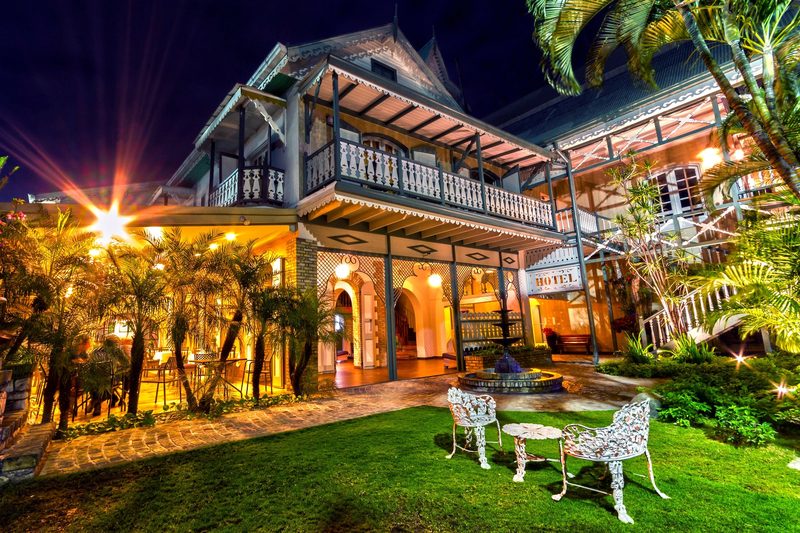
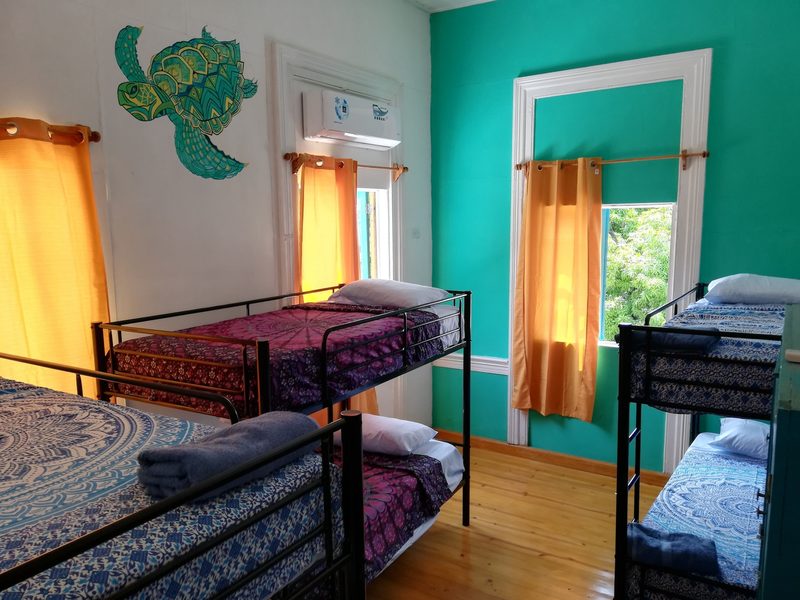
Hand-picked hotels across price tiers for June travellers.
Public Holidays in June
Dates that affect opening hours, transport and crowds
Fête-Dieu
Known in English as Corpus Christi. Observed nationwide as a public holiday.
Packing Checklist
Bookmark this page — your progress is saved between visits
Need the full list with shopping links?
Climate-specific gear, brand recommendations, and what to leave at home.
View Port-au-Prince Packing List →Essential Tips
Insider knowledge and common pitfalls to avoid
Insider Knowledge
Petion-Ville is not just the safest neighborhood in Port-au-Prince. It is functionally a different city. Almost everything a visitor can safely do, eat, and see happens within a few square kilometers of this hillside district. The restaurants, galleries, and better-guarded guesthouses cluster here. Your fixer will likely base operations from Petion-Ville as well. Think of it as your base camp. Do not treat it as a starting point for wider exploration.
Haitian Kreyol, not French, is the language that opens doors. Bonjou, mesi, and ki jan ou ye will get you further than perfect Parisian French. Many Haitians associate that French with the old elite. Even basic Kreyol signals respect. It generates warmth that changes the entire texture of your interactions. Your fixer will translate the rest. Those first three phrases are yours to deliver.
The morning hours between six and nine are the most productive and the most pleasant in June. The air is still relatively cool. The light is soft and golden on the hillside architecture. The markets are at their freshest, piled with mangoes, avocados the size of softballs, and bundles of thyme and parsley. By ten, the heat starts to clamp down. By noon, only necessity keeps people outdoors.
Barbancourt rhum, distilled in Haiti since 1862, is one of the finest rums in the hemisphere. The five-star reserve, aged eight years, rivals high-end French cognac. Buy a bottle at the source if your security situation permits a visit to the distillery area. Taste it at any established Petion-Ville restaurant. It is the single best souvenir you can carry home. It costs a fraction of what comparable aged spirits command elsewhere.
Avoid These Mistakes
Do not assume that normal tourist behavior is possible here. Port-au-Prince is not a city where you hail a taxi on the street. You cannot wander into unfamiliar neighborhoods to find a restaurant. Do not walk back to your guesthouse after dark. Every movement outside your compound needs to be pre-planned with vetted transport. You need a local contact who knows the current security landscape. That landscape can shift block by block and week by week.
Do not pack for a Caribbean beach vacation. Port-au-Prince is not Barbados or Cancun. The beaches accessible from the capital are limited. The infrastructure is minimal. The primary reasons to visit are cultural, familial, or professional. Travelers who arrive expecting resort-style leisure are in the wrong destination entirely.
Never underestimate the heat. Hydrate aggressively. At 35 degrees C (95 degrees F) with equatorial sun, heat exhaustion can set in within a couple of hours of outdoor activity. This hits hardest for travelers arriving from temperate climates. Drink water constantly. Do so even when you do not feel thirsty. Plan all outdoor activities for early morning or late afternoon.
Ready to plan your trip to Port-au-Prince?
Now that you've got the research covered, here's where to go next.
Explore More Activities in Port-au-Prince
Didn't see anything interesting yet?
Browse Viator's full catalog of tours, day trips, food experiences, and private guides in Port-au-Prince.
See All Port-au-Prince Tours on Viator